


Addiction does not care where you come from. Recovery, it turns out, cares very much.
The principles of recovery are universal. But the road back is walked by real people, in real families, inside real communities — and those communities do not all hold the same beliefs about what addiction is, what it means, or whether it can be spoken about at all. Pretend otherwise and you lose people before they ever reach a meeting.
We have watched it happen. Someone arrives ready to ask for help, then hears language, assumptions and examples built for a culture that is not theirs, and quietly decides this is not for them. The programme did not fail them. The packaging did.
Shame is not evenly distributed
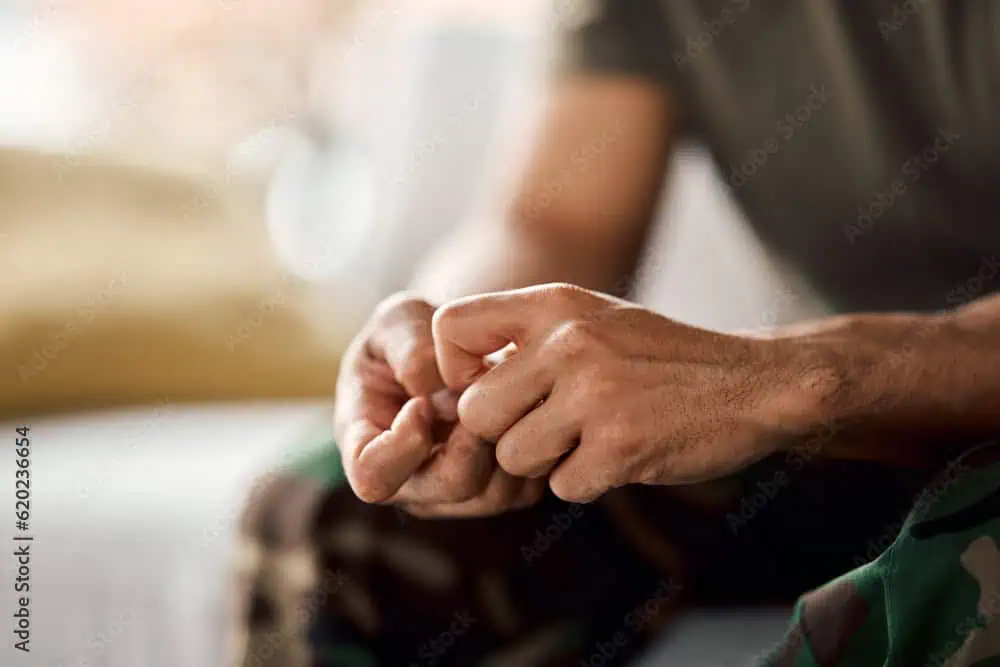
In some communities, addiction is an illness. In others, it is a moral failing, a family disgrace, or something that simply does not get named. For someone carrying that weight, walking into a room and saying “my name is, and I am an addict” is not a first step — it is an enormous one, loaded with fears about reputation, family honour and belonging that an outsider may never see.
None of this makes recovery impossible. It means the invitation has to be offered with an understanding of what it costs the person to accept it.
Faith, or the absence of it
Traditional recovery literature leans heavily on a particular spiritual language. For some, that language is home. For others — a devout Muslim, an observant Jew, a committed atheist — it can feel like the door is only open to people who believe a certain way.
Recovery does not belong to one faith, and it does not belong to no faith. It belongs to anyone willing to be honest. The task is to make room: to let people bring their own understanding of meaning, connection and purpose rather than borrow someone else’s. That is part of why we built the Six-Lens Framework the way we did — so the spiritual lens is an invitation, not a barrier.
Language, literally
Plenty of people in the UK live their inner lives in a language other than English. When the only recovery materials available are in English, written for an English-speaking culture, the message lands at half strength — or not at all. Add the everyday reality of stigma, and a person may never feel safe enough to ask for a translation, let alone admit they need one.
What this means for us
Being culturally aware is not about producing a different programme for every group. It is about three quieter commitments.
First, representation: people need to see themselves in the stories, or they conclude the stories are about somebody else. Second, humility: we do not assume our way of talking about recovery is the only way, or the right way for everyone. Third, signposting: where a community-specific or faith-based service will serve someone better than we can, we point them to it, gladly. Keeping recovery “in-house” should never mean gatekeeping it.
Recovery is universal. The welcome has to be local.
If you are from a community where addiction is rarely spoken about, please hear this plainly: you are not the exception. You are not beyond help. And you do not have to leave your culture at the door to walk through it.
If you are not sure where to start, our Finding Support section lists routes that include community and faith-based options. Reaching out is a sign of strength, in any language.
This article is for general information and is not medical advice. If you are struggling, please speak to your GP or a qualified professional.