


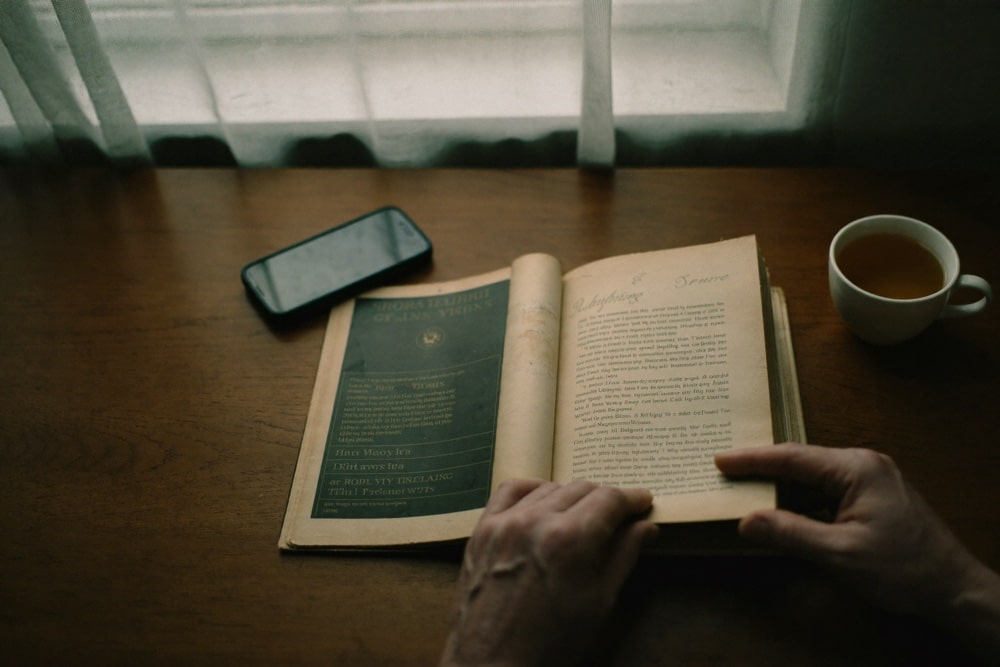
When Bill Wilson wrote the Big Book in 1939, cocaine was a local anaesthetic, ketamine did not exist, and the internet was decades away. The principles he outlined remain powerful and transformative — they have carried millions of people, including us, out of addiction and into life. Nothing in this piece argues with that. What has changed is not the medicine; it is the world the patient lives in.
Today, someone struggling with addiction faces challenges the founders could not have imagined. Dark web dealers deliver substances to your doorstep. Social media creates a constant stream of triggers. Synthetic drugs appear faster than research can study them. And the pace of modern life would bewilder anyone from that era.
The Disconnect
When a 23-year-old struggling with ketamine addiction picks up literature written in 1939, the cultural distance can be fatal. Not metaphorically fatal — actually fatal. Because if they cannot see themselves in the stories, they conclude that the programme is not for them, and they leave before the principles ever get a chance to work.
We have watched it happen in meetings. A young person shares about their cocaine use, and an old-timer responds with a war story about whisky. The intention is good — to show that addiction is addiction, which is true. But the newcomer does not hear the connection. They hear: “These people do not understand me.” The tragedy is that the room absolutely does understand them — the identification is real, but the translation is missing.
That word — identification — is the heart of it. Recovery begins when someone hears their own story in another person’s mouth. It is the moment defences drop: that’s me, that’s exactly what I do. Everything in recovery flows from that moment, and everything that delays it has a cost measured in lives.
What We Kept
This is not about replacing what works. When we wrote the Stepwise guides, the list of things we refused to change was longer than the list of things we changed. We kept the Twelve Steps as a framework, because they work. We kept powerlessness, surrender, inventory, amends, service — the whole architecture. We kept the insistence that recovery is something you do with other people, not alone with a book: every guide we publish sends its readers towards meetings, sponsorship and fellowship, because that is where recovery lives.
We are not a fellowship, and we do not want to be one. We are a translation layer — written to sit alongside the fellowships and their literature, never to replace them. If our books do their job, the rooms gain members who arrive already understanding why they are there.
What Needed Translating
What needed updating was the language, the examples, the stories, and the context. Consider the difference between telling a cocaine addict “your best thinking got you here” and showing them, through stories that mirror their own experience, exactly how that happened. Between an abstract discussion of powerlessness and a description of setting rules about when you will use, breaking every one of them, and then pretending to yourself that you chose to break them.
Or take the substances themselves. Ketamine addiction carries physical harms — bladder damage, dissociation — that simply did not exist in earlier recovery writing, and a person in trouble needs to see those named plainly before they will believe the rest. Cocaine brings a particular architecture of grandiosity and paranoia that deserves its own stories. Families navigating a loved one’s addiction in the age of the smartphone face questions no 20th-century text could anticipate. A general translation was never going to be enough; each experience needed its own book. That is why there are five guides rather than one, with more in development.
Modern Recovery, Timeless Principles
The Stepwise Recovery series exists because we believe the principles of recovery are universal, but the expression of those principles must evolve. A 23-year-old ketamine user in Manchester needs to see their own story reflected in recovery literature. A family watching their child struggle with cocaine needs guidance that understands the modern landscape. A child of eight needs the truth in words built for eight-year-olds.
We have not rewritten the Steps. We have translated them for people who need them today — in language they recognise, through stories they can see themselves in, with examples that match their actual experience. Our Six-Lens Framework exists for the same reason: not to complicate recovery, but to give every kind of thinker an entry point into the same timeless process.
The principles do not change. But if we dress them in language nobody recognises, we might as well have not written them at all.
If you want to judge the translation for yourself, every guide has a free preview chapter — no email address required. Read it next to the original literature you know. If we have done our work, you will find the same message wearing different clothes.
Recovery literature saved our lives. We simply want it to save more.
Reading recovery words matters, but meeting real people makes them land differently — find a meeting and hear those stories live.


