



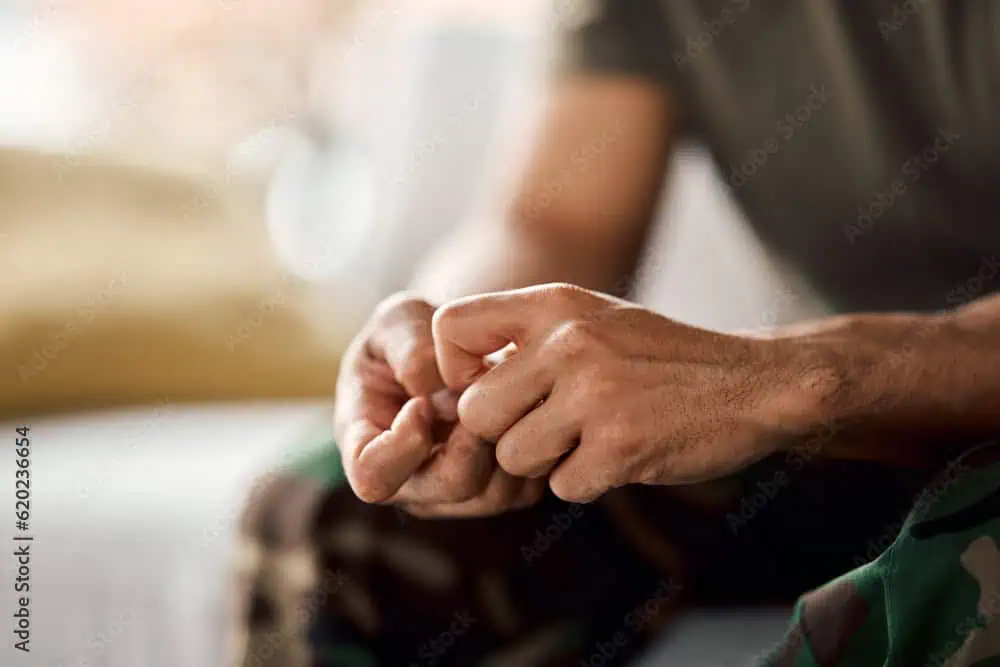
You love someone who is destroying themselves, and everything you do to help seems to make things worse. Or, more precisely, everything you do to help makes things feel better in the moment while making the underlying problem worse in the long run. Welcome to the exhausting, bewildering world of enabling.
What Enabling Actually Looks Like
Enabling is not a character flaw. It is a natural response to an unnatural situation. When someone you love is in pain, every instinct tells you to reduce that pain. The problem is that with addiction, reducing pain often means removing consequences — and consequences are frequently the only thing that motivates change.
Enabling can look like: making excuses for their behaviour to friends or employers. Lending money you know will be spent on substances. Cleaning up after their binges, literally or metaphorically. Softening the truth to protect them — or to protect yourself from conflict. Walking on eggshells to avoid triggering a using episode. Believing promises you have heard before because the alternative is unbearable.
The Difference Between Helping and Enabling
Helping moves someone towards recovery. Enabling moves them away from the consequences that might motivate recovery. The distinction is not always clear in the moment, which is why families need their own support, their own programme, and their own recovery.
A useful question to ask yourself: “Am I doing this because it will genuinely help them move towards recovery, or am I doing it because I cannot bear the discomfort of not doing it?” Honest answers to this question are rarely comfortable.
Setting Boundaries Without Abandoning
Boundaries are not ultimatums. An ultimatum says: “If you do not stop, I am leaving.” A boundary says: “I love you, and I will not participate in your active addiction. I am here when you are ready for help. Until then, I am going to take care of myself.”
Boundaries are not cruel. They are the kindest thing you can do — for them and for yourself. They say: “I respect you enough to let you face the consequences of your choices, and I respect myself enough to stop destroying my own life in the process.”
Getting Support for Yourself
You cannot do this alone. Family support groups, counselling, and resources like the Stepwise Family Edition exist because families need recovery too. Your wellbeing is not secondary to theirs. In fact, your recovery may be the single most powerful thing you can do for their recovery, because it changes the entire dynamic of the relationship.
You did not cause it. You cannot cure it. You cannot control it. But you can find your own peace.